
Sometimes, malicious programs or malware can take control of your PC during the boot process. The role of Secure Boot is to prevent unauthorized access. Modern PCs with UEFI automatically enable this feature, a great security feature that must be enabled every time.
The only downside of Secure Boot is that it prevents users from doing certain things on their machines, like running two operating systems on a single machine.
How to Disable Secure Boot in Windows
Here’s a step-by-step guide on disabling secure boot.
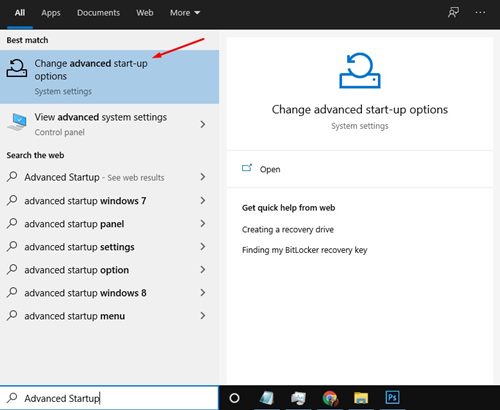
1. Open the Windows search box and type in Advanced Startup. Click on the Change Advanced Startup option.
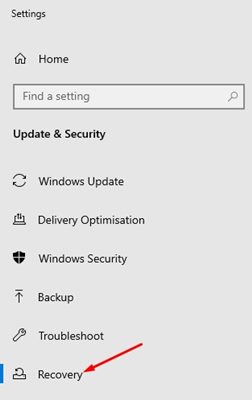
2. Click on Recovery.
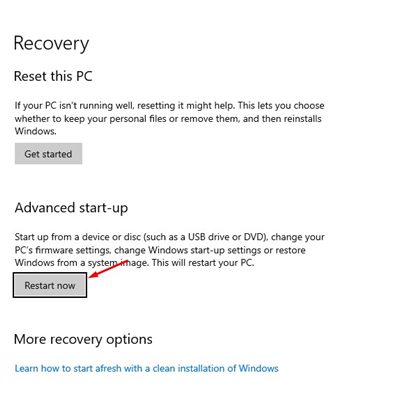
3. Click on Restart now.
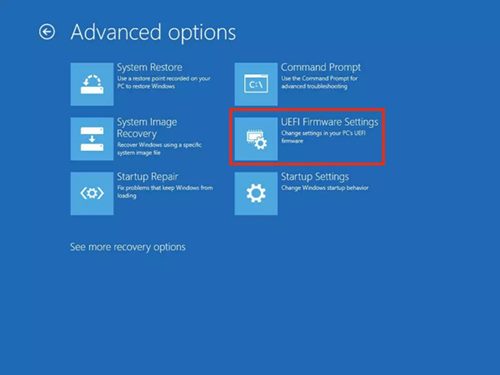
4. Your PC will now restart in advanced mode. To access this mode, select Troubleshoot > Advanced Options > UEFI Firmware Settings.
5. Your PC will restart once again. This time, your PC will start operating in BIOS. Select the Security tab on the BIOS and find the Secure Boot option.
6. You need to select the Secure Boot option to Disabled. You need to use the arrow button on the keyboard to select the Disabled option.
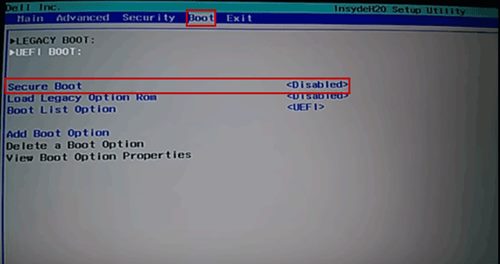
Save the changes in the BIOS. If you wish to enable the feature, select Enabled under the Secure Boot option in Step 6.
This article explains how to enable/disable Secure Boot in Windows. If you have any questions, let us know in the comment box below.
The post How to Enable or Disable Secure Boot in Windows appeared first on TechViral.
from TechViral


0 Comments